
Electromagnetic Pulse Protection for Critical Facilities
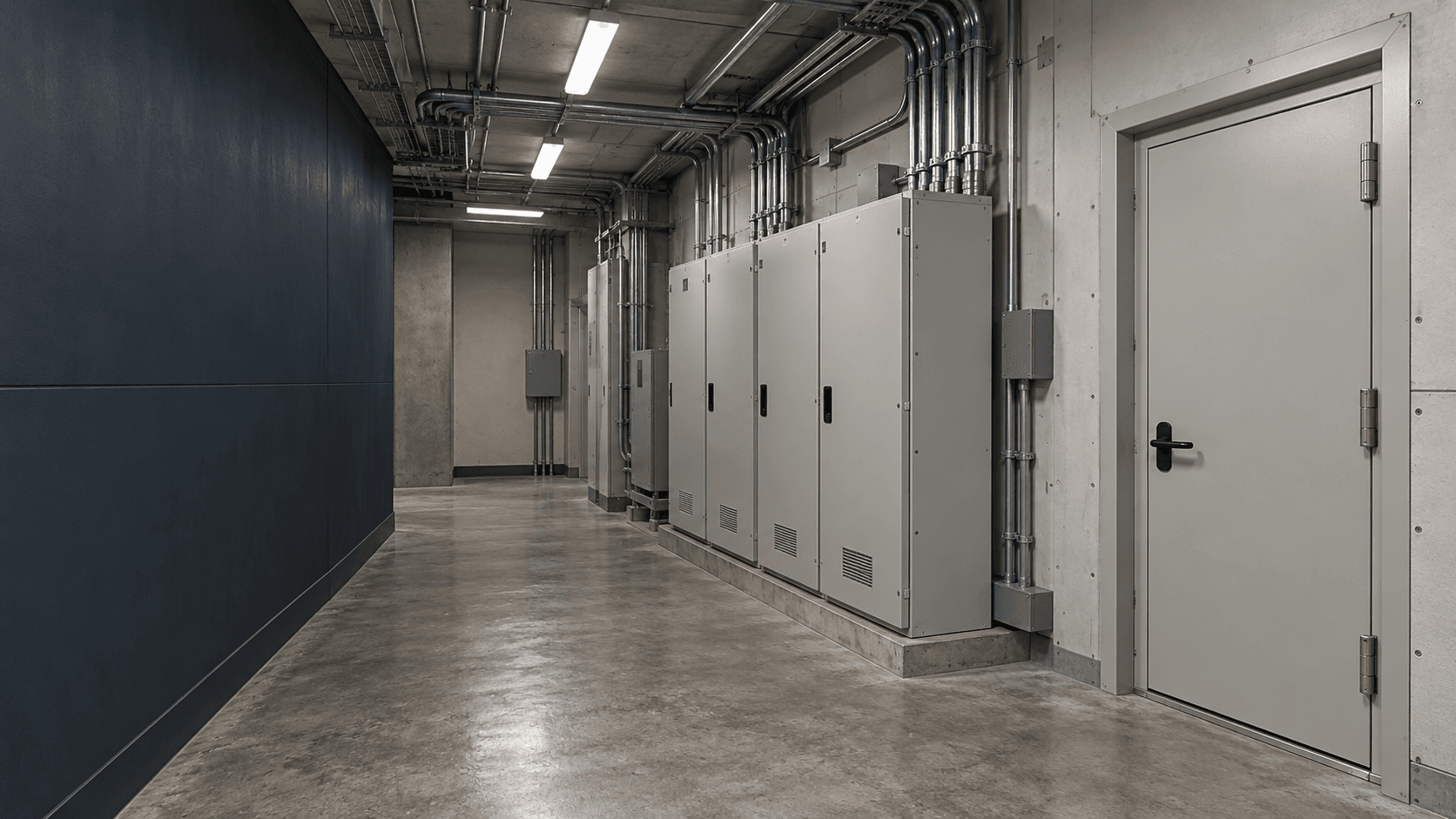
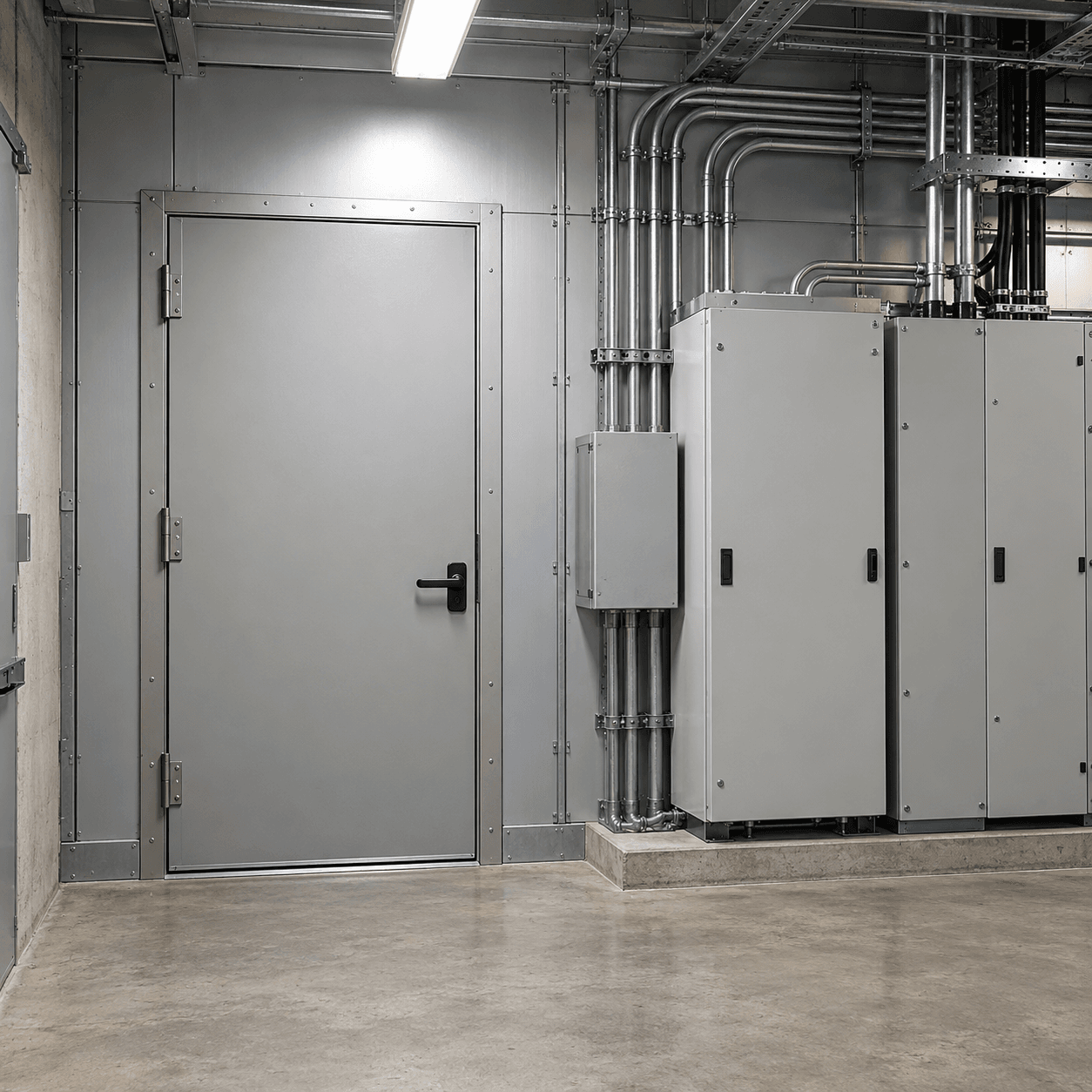
EMP Protection addresses the exposure of electronic systems to electromagnetic pulse threats. For facilities that depend on functioning command and control systems, protection requires consideration of both the shielded space and the services entering it.
A protection strategy may involve shielding, protective doors, equipment enclosures, filters and shielded penetrations. We consider the facility, equipment and required protection performance when assessing the appropriate combination.
EMP Protection Systems
Facility Shielding
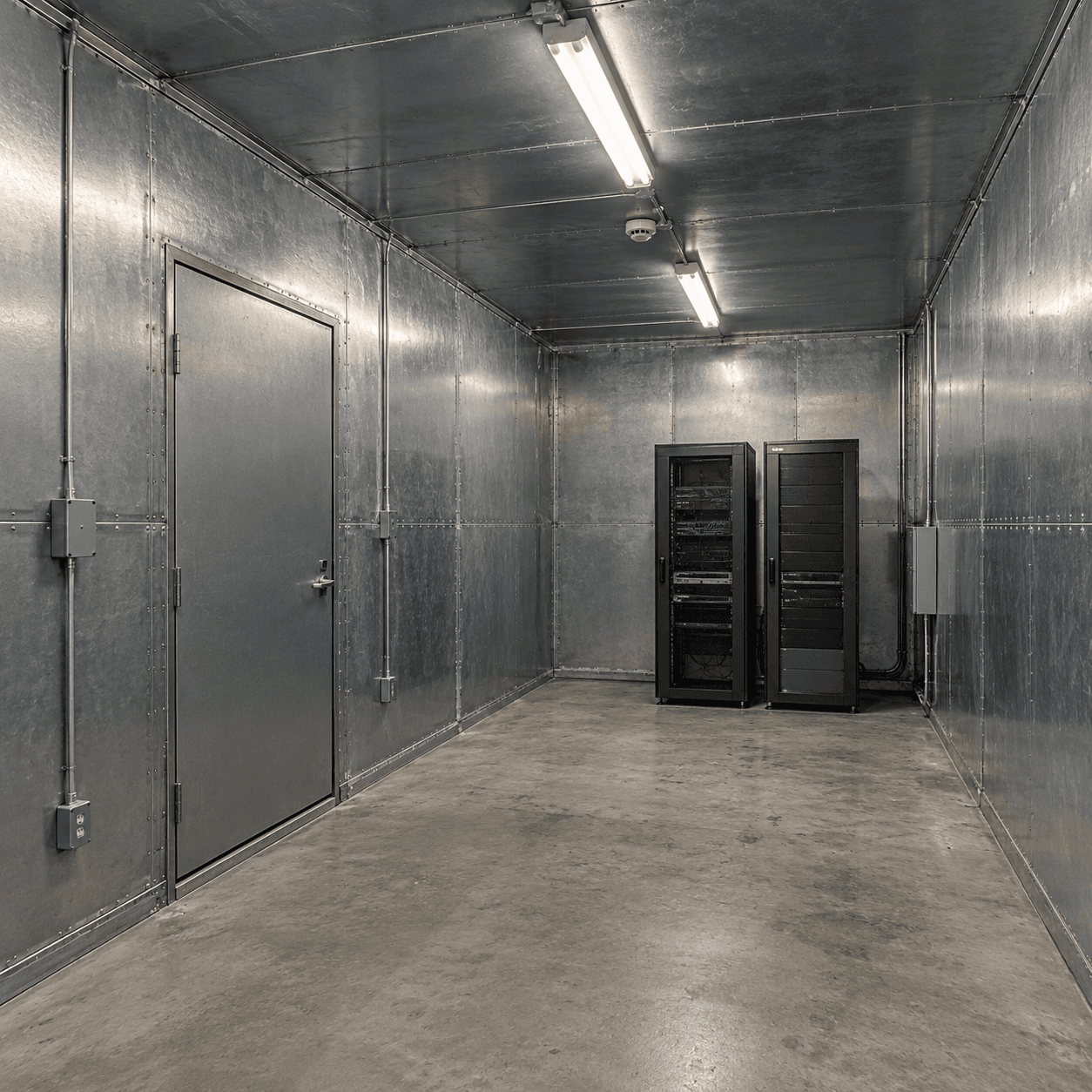
EMP shielding forms part of the protective boundary around sensitive equipment and operational spaces. Its specification should reflect the electromagnetic threat and the shielding performance required. Doors, cable entries and service penetrations must be considered alongside the enclosure itself. These interfaces form part of the overall protection arrangement.
EMP Shielded Doors
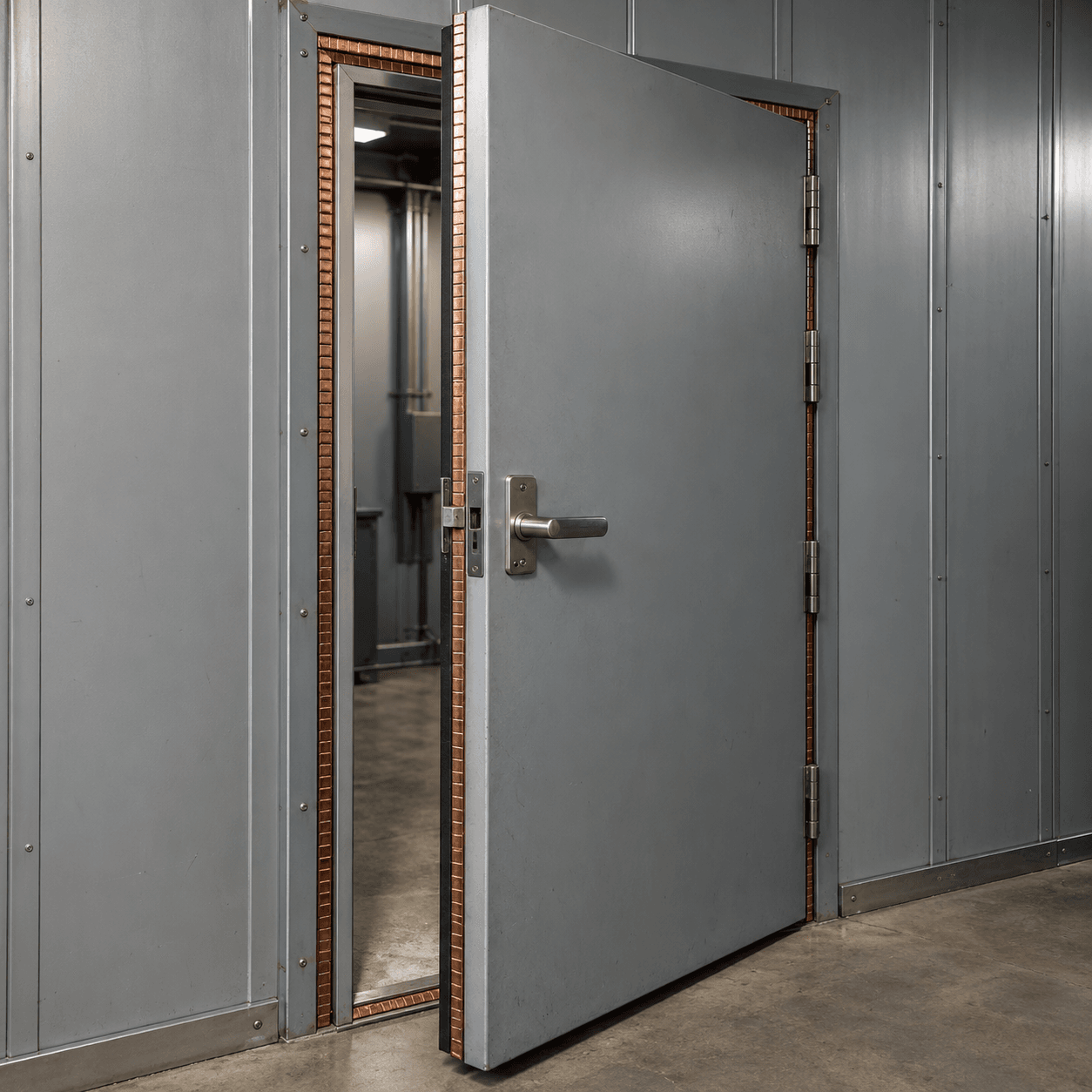
Shielded doors provide access through the protective boundary. Selection must account for the required shielding performance alongside everyday access, operation and maintenance needs. Door performance should be established for the proposed assembly and installation. General security requirements do not, by themselves, establish EMP protection.
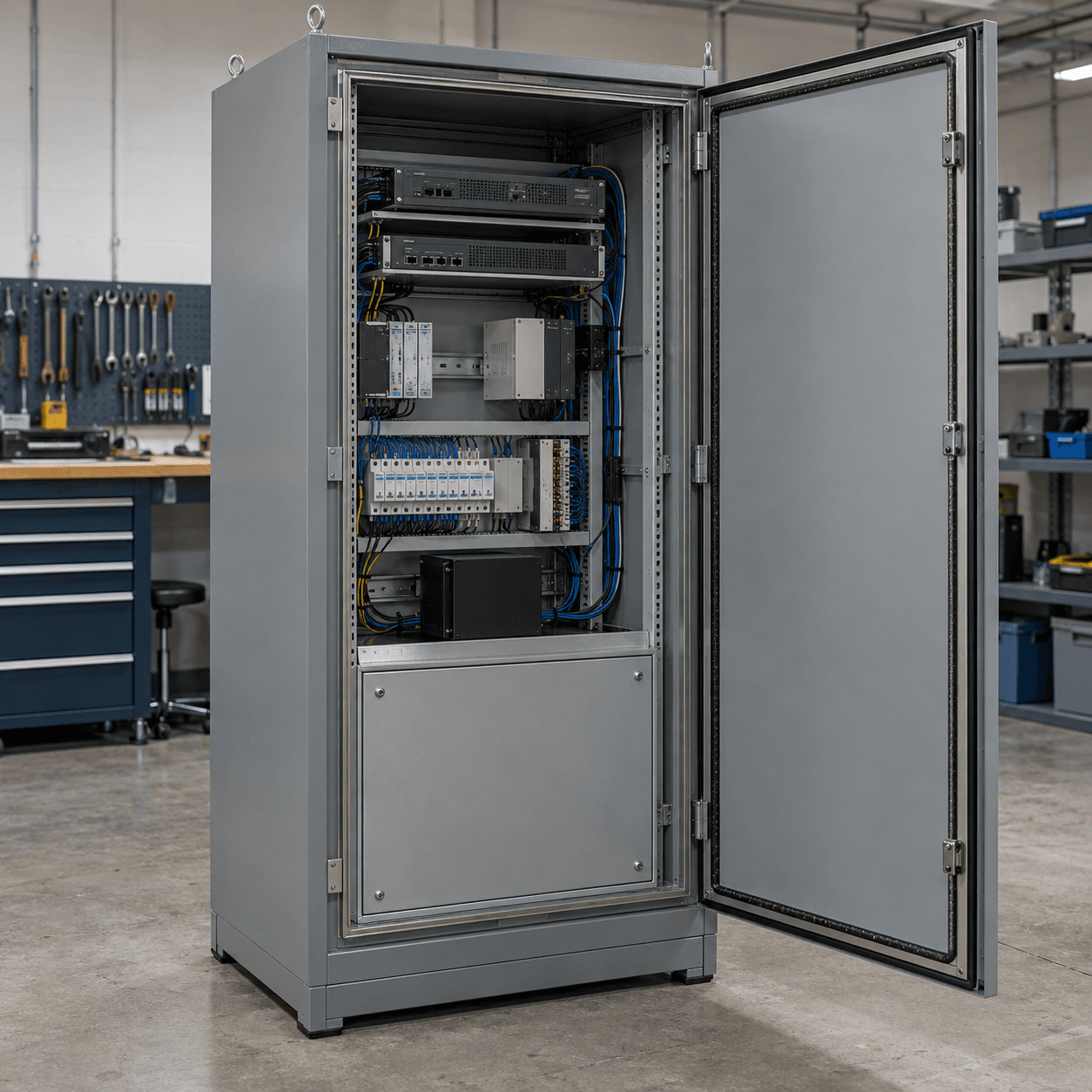
Shielded Cabinets and Containers
Shielded cabinets and containers provide enclosure options for equipment requiring electromagnetic protection. They can be assessed where protection is needed around a defined equipment installation. Selection considers enclosure dimensions, access requirements, service connections and the required radio-frequency and EMP shielding performance
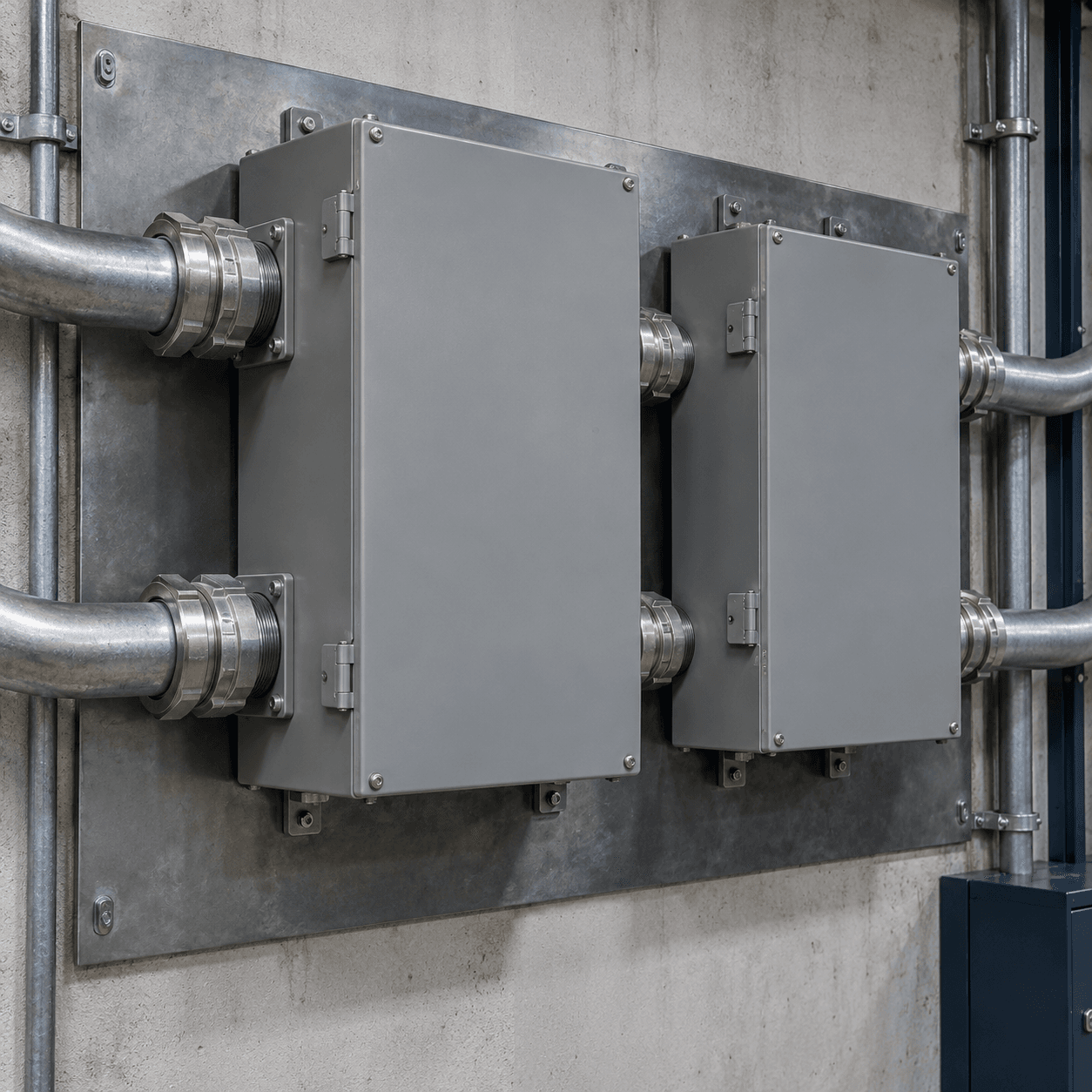
EMP Power Filters
Conductive cables can carry interference into an otherwise shielded facility. EMP filtering addresses this path at the protective boundary. Power, telephone, data and other conductive connections require assessment. We consider the particular service, its operating requirements and the specified electromagnetic threat when determining filter requirements.
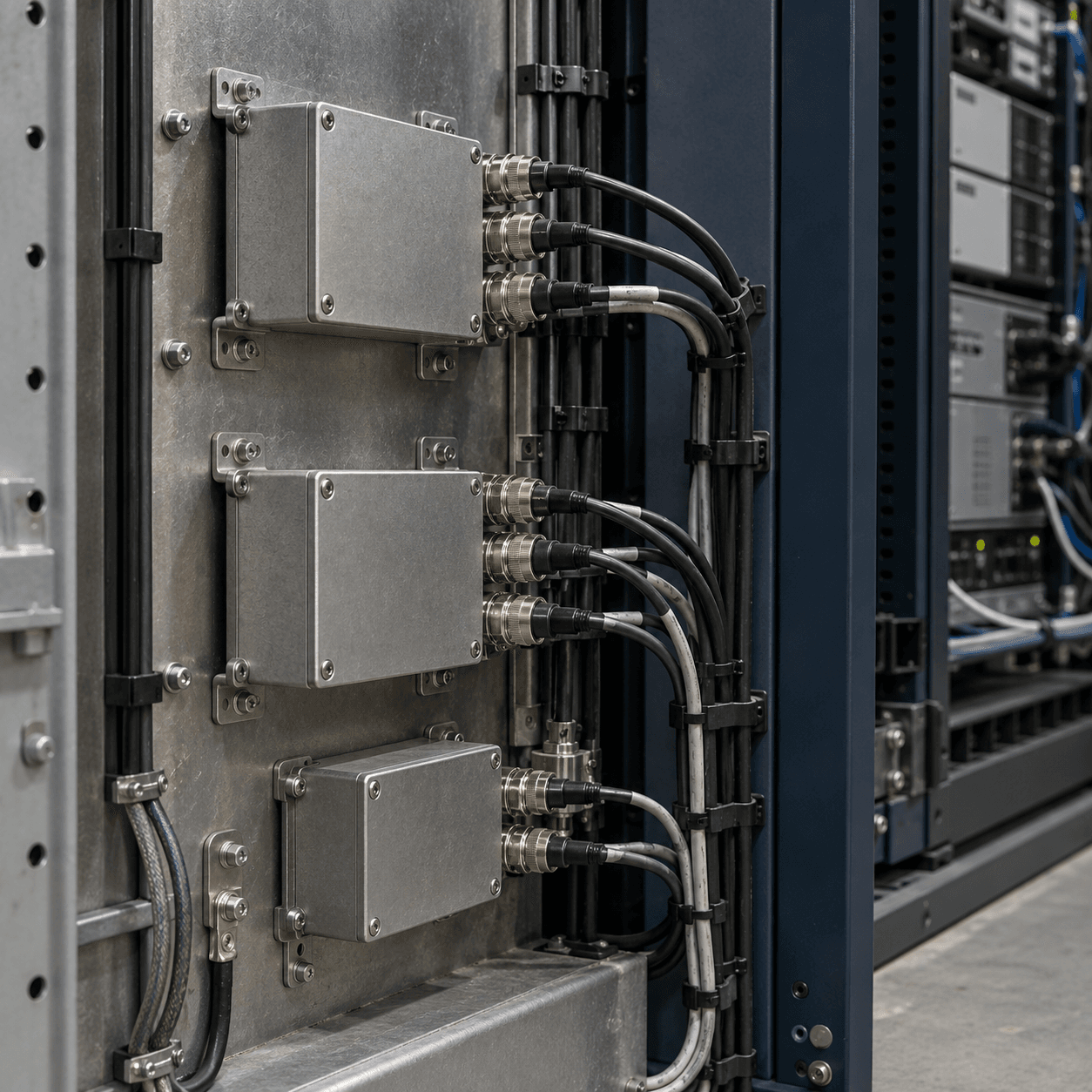
Control and Signal Line Filters
Control and signal line filtering helps suppress unwanted electrical interference. The appropriate filter depends on the connected equipment and the characteristics of the signal being carried. Filtering requirements should be coordinated with the equipment’s function so that protection and normal operation are considered together.
Service Penetrations andShielding Interfaces
Pipe Penetrations
Pipes passing through a shielded boundary require appropriate penetration arrangements. These interfaces should be included in the shielding design rather than treated as ordinary service openings. The required solution depends on the service, penetration configuration and specified electromagnetic performance.
Waveguides
Suitable waveguide arrangements address electromagnetic transmission through certain openings in shielded buildings, rooms or enclosures. Their suitability depends on the opening and required performance. Selection and integration form part of the complete shielding arrangement. Dimensions and installation details must be established for the proposed configuration.
Applications

Command and Control Facilities
Facilities that depend on operational command and control systems may require EMP protection to address risks to essential electronics. We consider the systems requiring protection and the services supporting them as part of the assessment..

Shielded Rooms and Equipment Enclosures
Protection can be considered at room, cabinet or container level. The appropriate approach depends on the equipment, access needs, service connections and required shielding performance.
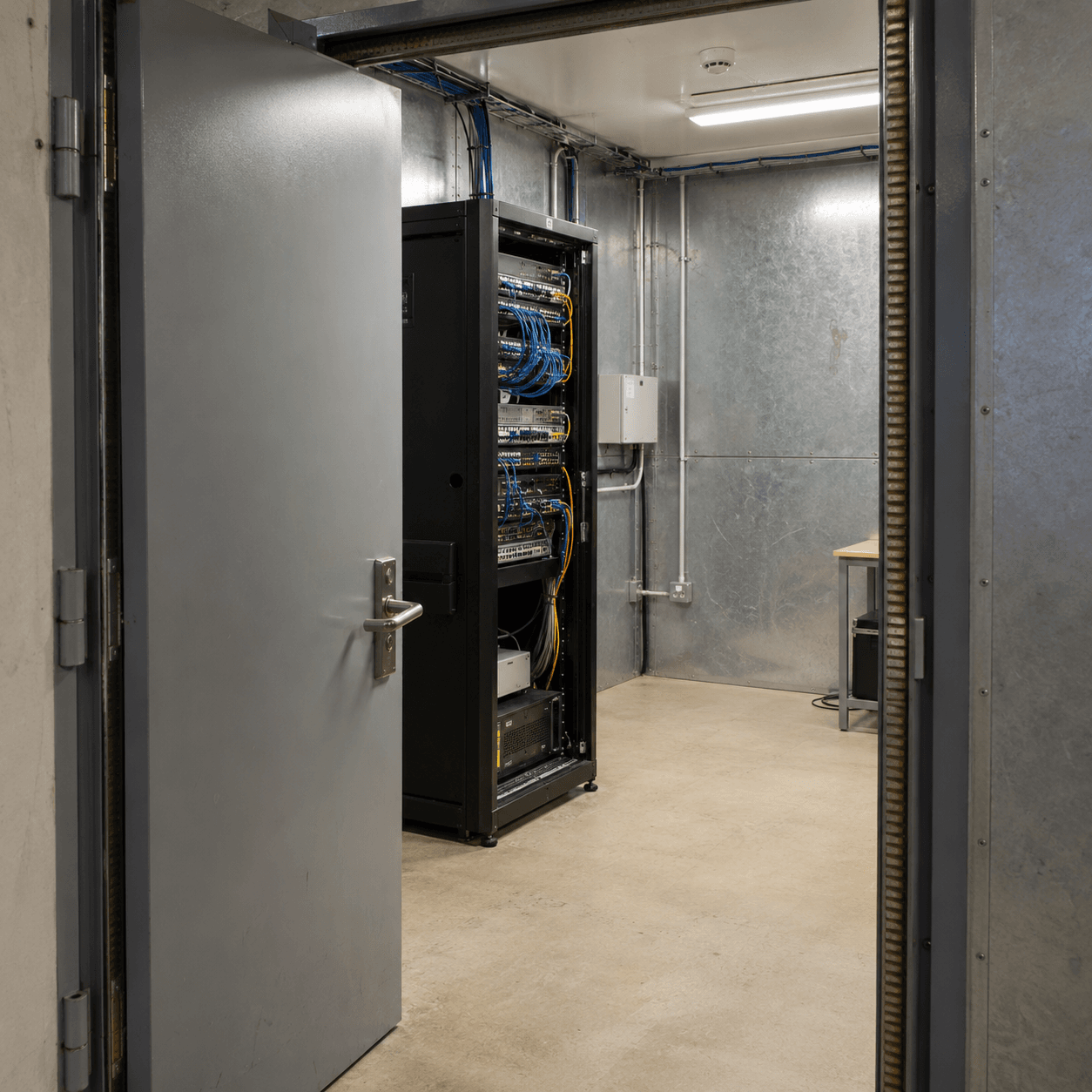
Existing Infrastructure
Existing facilities require assessment of the protective boundary and its interfaces. Retrofit suitability depends on the infrastructure, installation constraints and selected components.
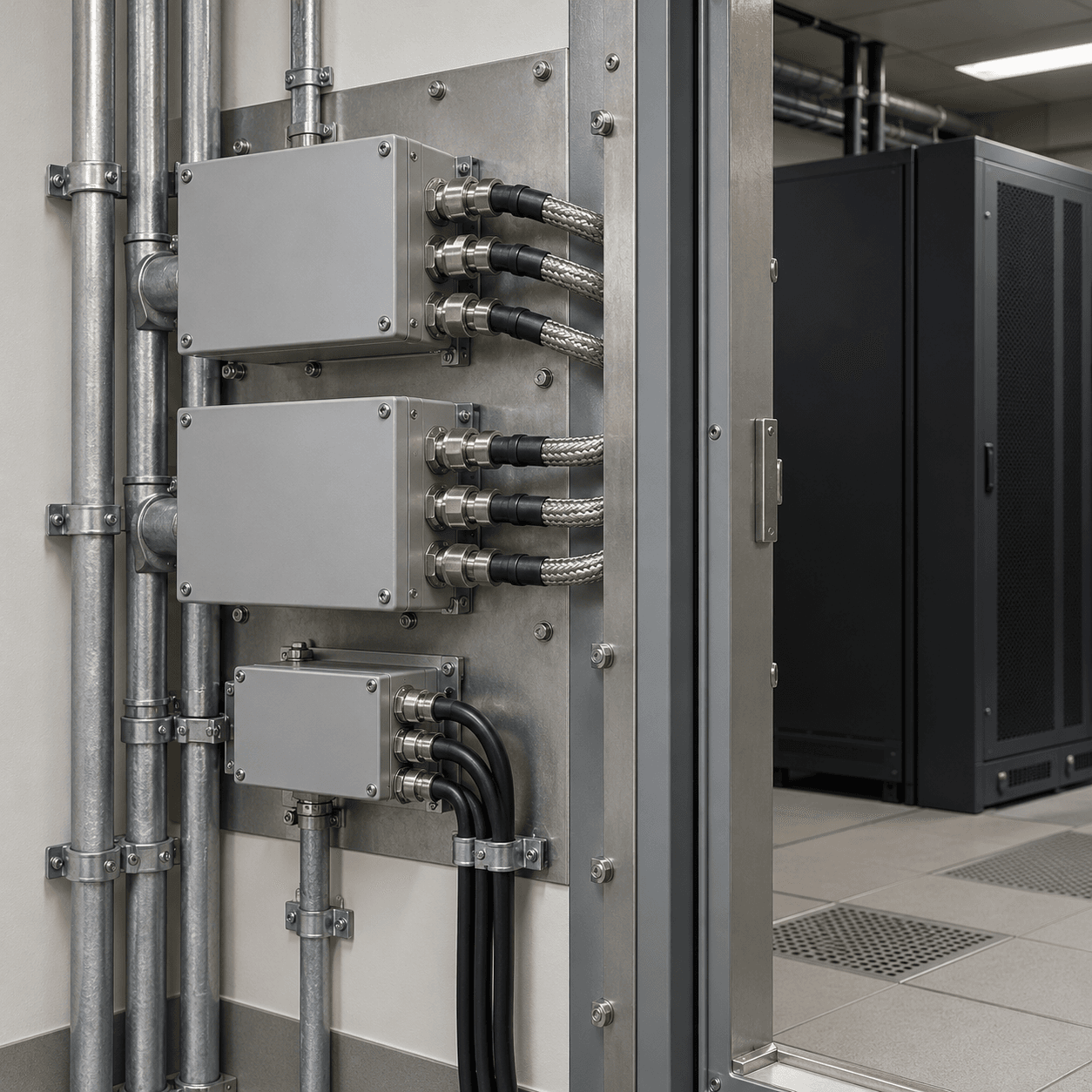
Related TEMPEST Filtering Requirements
TEMPEST filtering addresses the protection of confidential information against compromising electromagnetic emissions. It serves a different objective from protecting equipment against EMP threats.
Where information security is also required, TEMPEST filtering should be assessed against separate performance criteria. The selected arrangement must suit the equipment, connections and installation requirements.
Sectors We Protect

Oil and Gas

Commercial and Industrail

Airports

Government & Defence
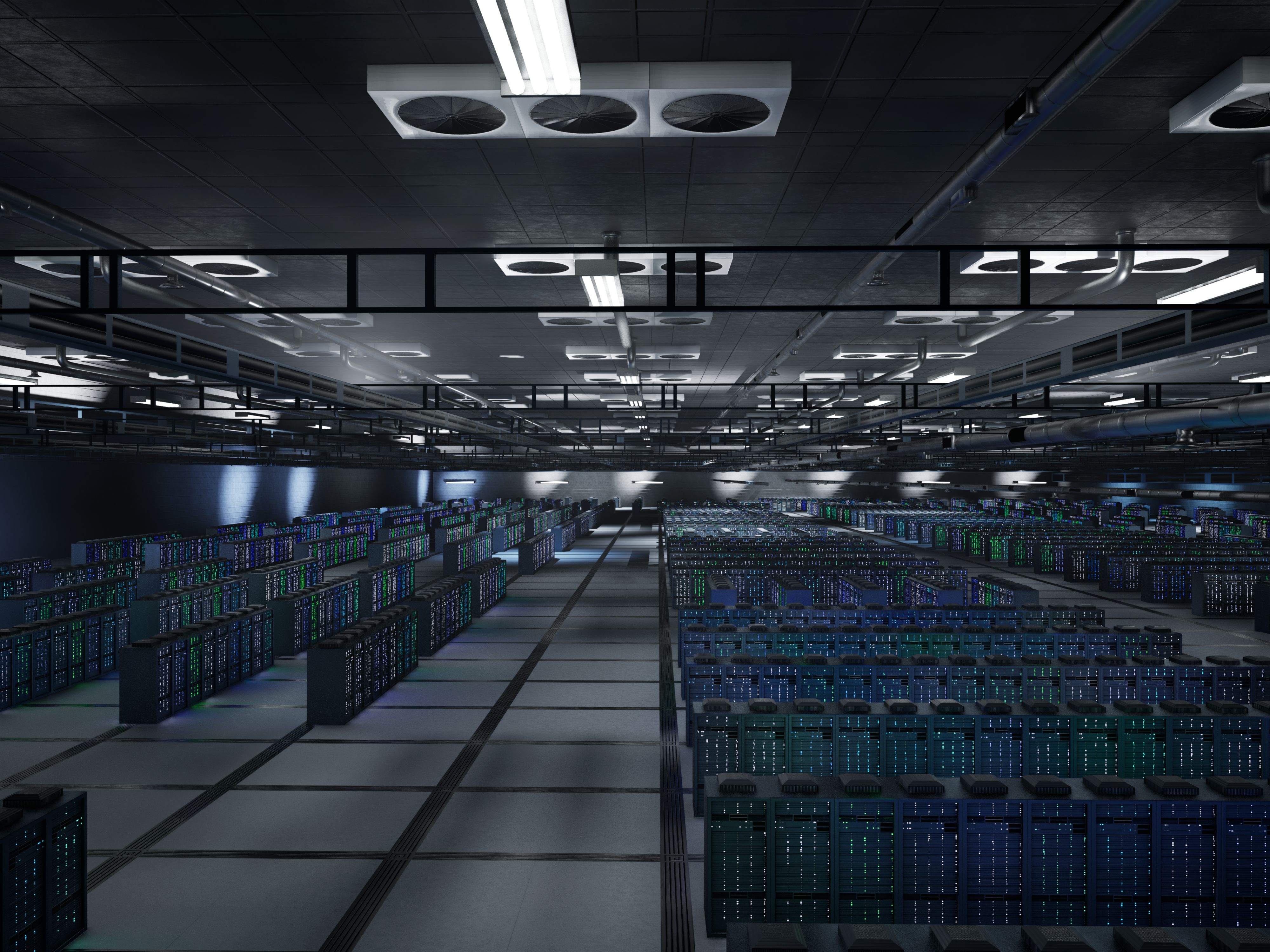
Data Centres

Ports and Logistics


Technical Assessment and Testing
EMP protection must be specified and assessed as a complete arrangement. Component selection should follow the facility’s threat profile and performance requirements. An initial assessment should establish:
- Equipment and operational functions requiring protection.
- Required shielding attenuation and frequency range.
- Room or enclosure dimensions.
- Door and access requirements.
- Power, data, control and signal connections.
- Pipe and other service penetrations.
- Applicable performance criteria and testing requirements.
Frequently Asked Questions
Conductive cables can carry interference through the shielding boundary. Appropriate filtering addresses these entry paths alongside the enclosure’s shielding.
A cabinet provides protection around a defined equipment enclosure. Whether that is sufficient depends on the equipment, connected services and wider operational requirements.
Yes. Openings and penetrations form part of the protective boundary. Their arrangements must be coordinated with the required shielding performance.
No. TEMPEST protection addresses compromising emissions and information security. EMP protection addresses electromagnetic pulse threats to equipment and systems.
Provide equipment details, layout drawings, service connections and the required protection criteria. Include any specified attenuation, frequency ranges and testing requirements.
Share your glazing drawings or photographs, glass dimensions, frame details and required protection criteria. Include any specified standards or blast conditions available for the project.