
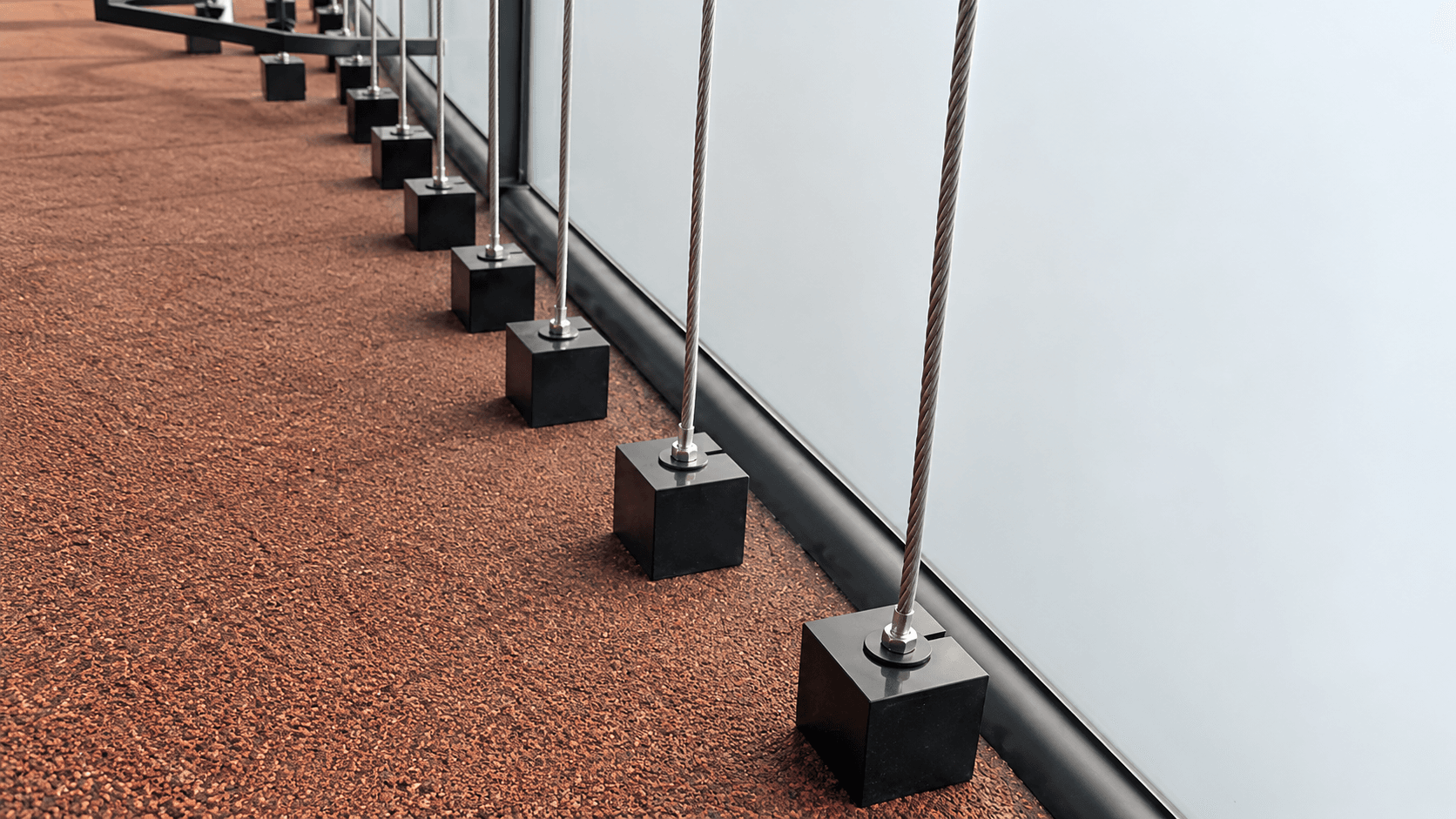


Retrofit Blast Protection for Existing Windows
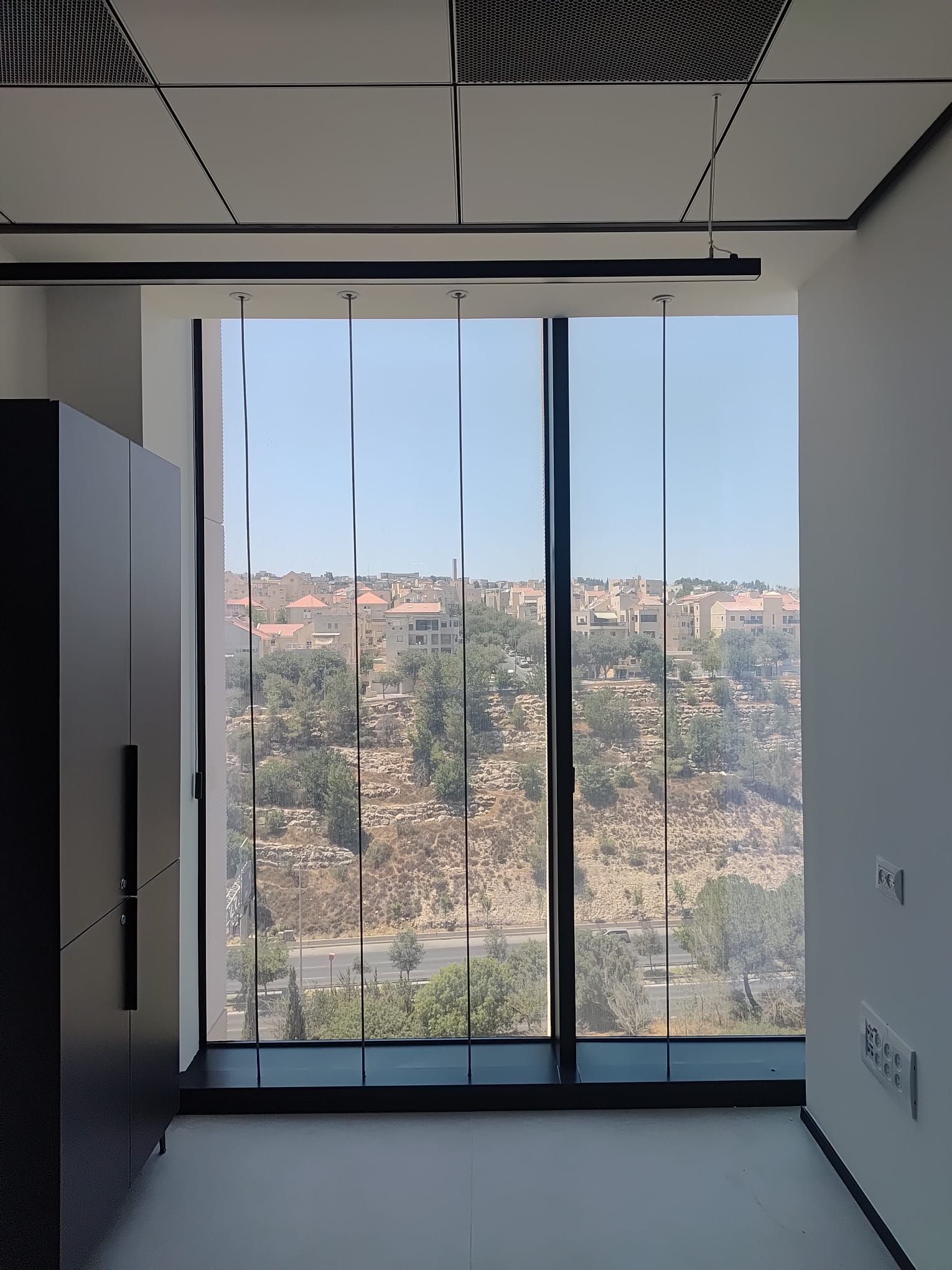
Cable Catch Systems are designed to catch windows moving inward under blast loading, helping reduce the hazards caused by glass fragments and window-frame debris entering occupied spaces.
Installed behind existing windows or curtain walls, these systems provide a retrofit approach to window debris protection.We consider cable catch protection within your building's wider blast mitigation strategy, with selection guided by the existing glazing and project requirements.
How Cable Catch Systems Work
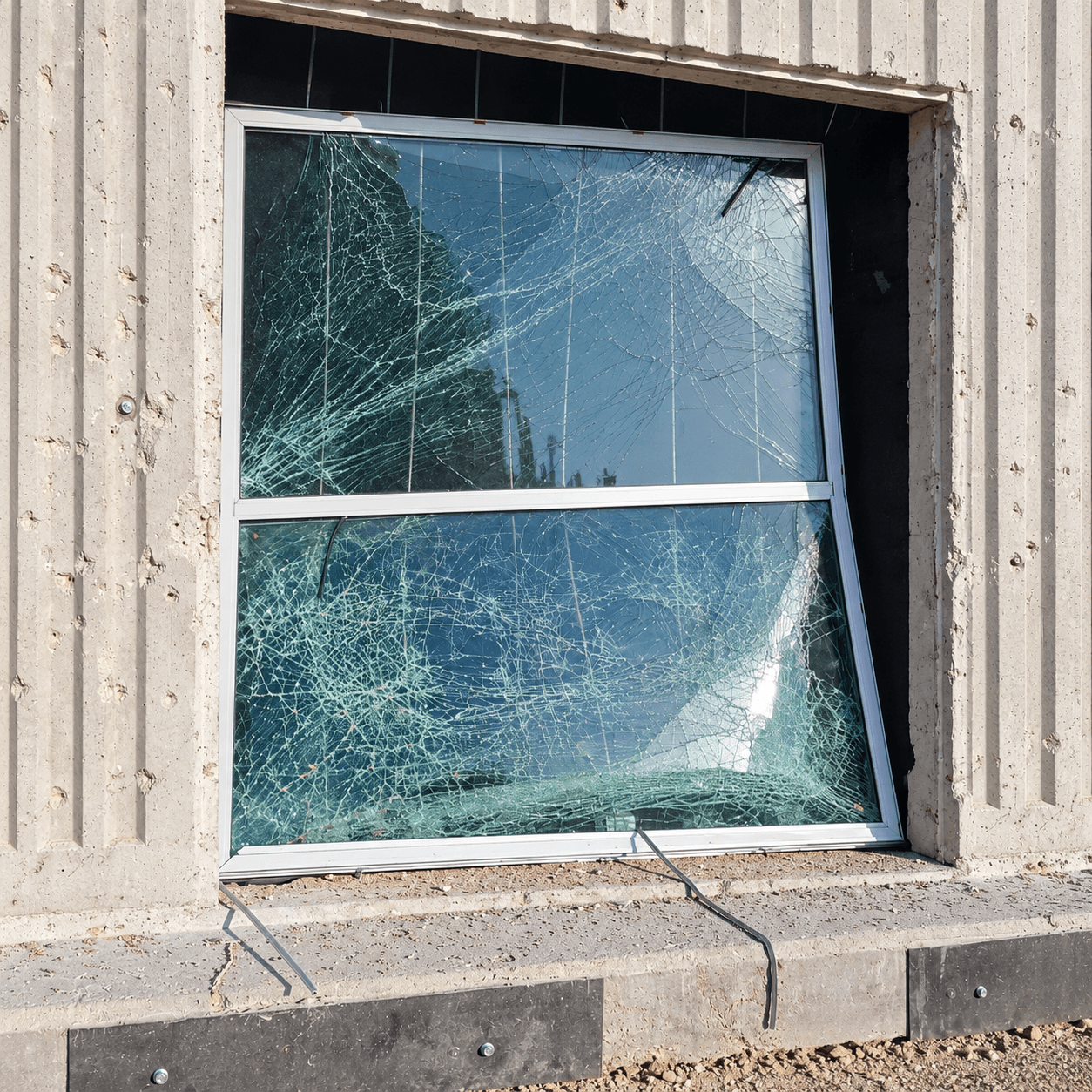
Catching Inward-Moving Windows
A nearby explosion can break glazing and drive window components into a building. Cable catch systems provide a physical restraint behind the window, designed to catch the inward-moving assembly and limit its movement into occupied areas.
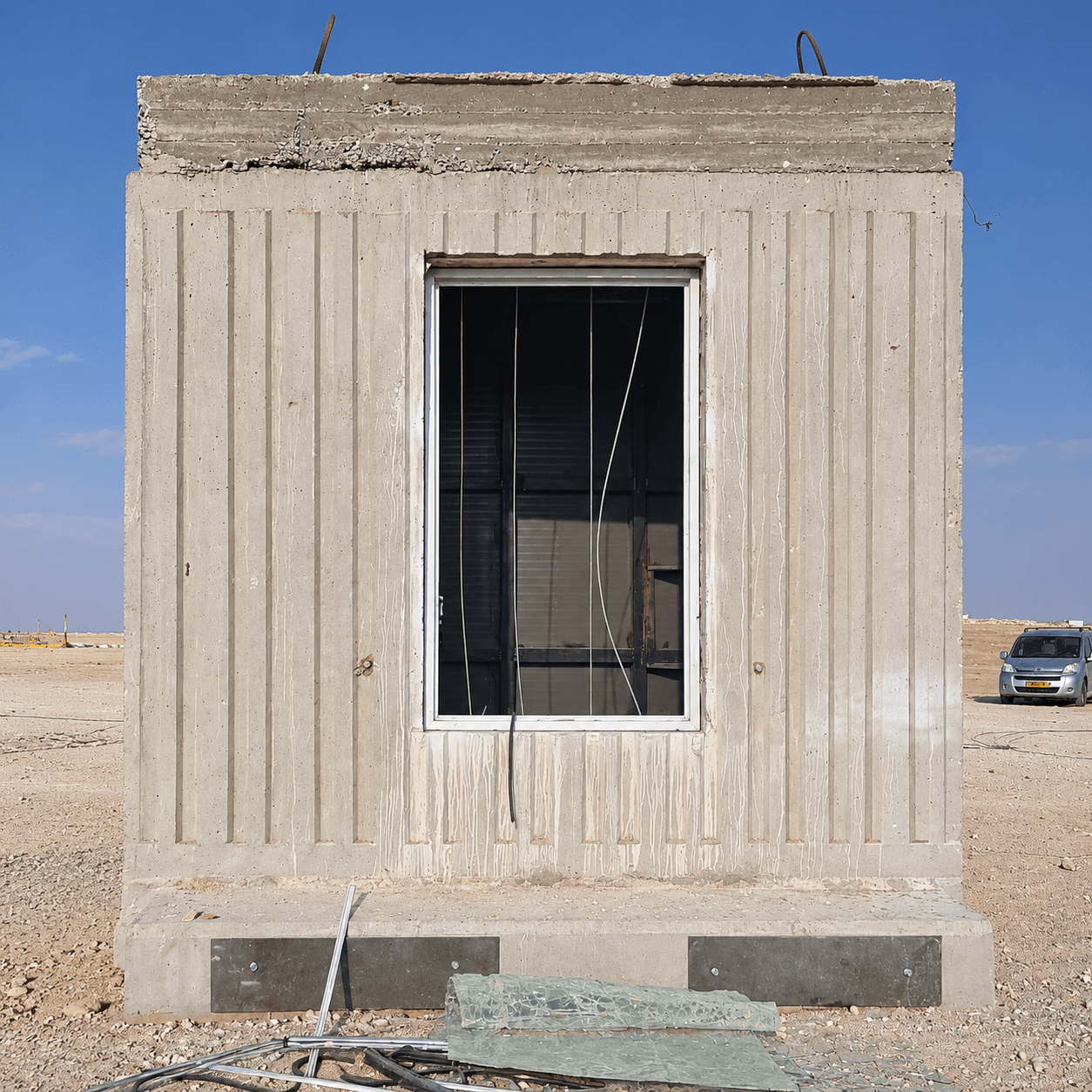
Reducing Glass and Frame Debris Hazards
Blast-related window failure can involve both broken glass and displaced frame components. Cable catch protection addresses these debris hazards as part of the facility’s overall protective design. The required protection depends on the blast threat, existing window configuration and proposed installation.
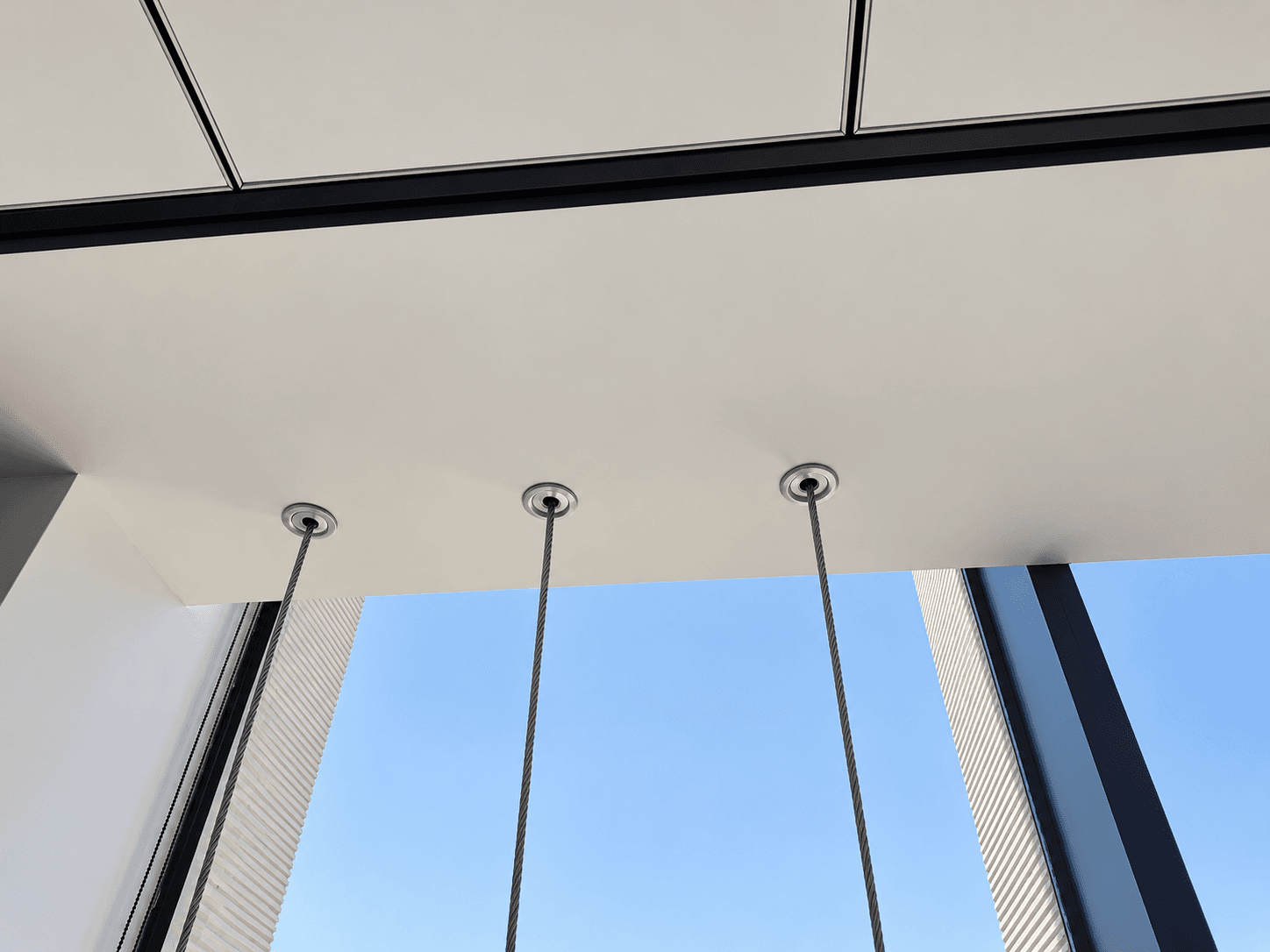
Roof & Perimeter Applications
Roof and perimeter applications may be considered subject to project assessment. Required coverage and the suitability of the proposed net configuration are established for the individual facility.
Key Features
Retrofit application:
Provides an additional protection option for existing windows.
Curtain wall applications:
Can be considered for existing glazed façade systems.
Physical debris restraint:
Designed to catch inward-moving window components following blast-related failure.
Protection behind existing glazing:
Introduces a protective system on the interior side of the window.
Existing-building suitability:
Offers an option for improving window debris protection without necessarily replacing every opening.
Applications & Installation Scenarios
Existing Windows
Cable catch systems can be considered where existing windows require additional protection against inward movement and blast-related debris. We assess the proposed arrangement against the window configuration and required protection.

Existing Curtain Walls
For buildings with curtain wall façades, cable catch protection offers a retrofit option for managing inward-moving glazing and frame debris. Suitability is assessed against the existing façade and installation requirements.

Historical Buildings
Historical buildings are a relevant application where additional blast protection is required around existing windows. The installation approach must account for the building’s features and any restrictions affecting alterations.
Sectors We Protect

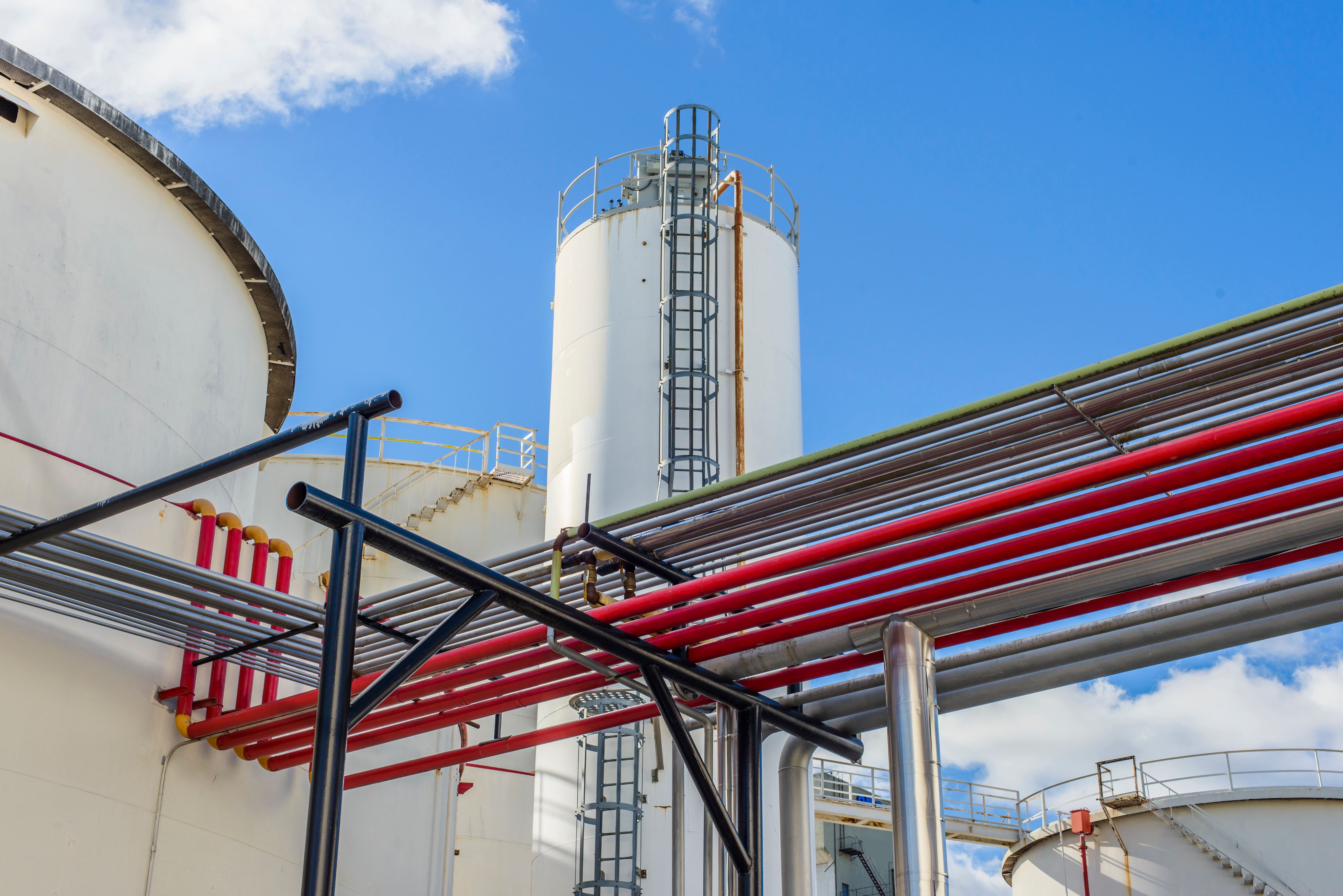
- Concrete and masonry wall protection at refineries where vapour cloud explosions form part of the facility’s assessed hazards.
Oil and Gas
Commercial and Industrial

Airports

- Wall protection for embassies and government buildings, including internal, external and surrounding walls exposed to identified blast threats.
Government & Defence
Data Centres


Engineering, Integration & Delivery
Effective cable catch protection begins with understanding your existing windows and the required blast mitigation objective.
- The windows or curtain wall areas requiring protection.
- The identified blast threat and required performance.
- The proposed system configuration and installation arrangement.
- Applicable test evidence for the selected assembly.
- Coordination with the wider building protection design.
Related Force Protection Systems
Frequently Asked Questions
Its primary purpose is to catch inward-moving window components and help reduce debris hazards following blast-related window failure. It should not be specified on the assumption that the glass will remain intact.
Yes, existing curtain walls are a potential retrofit application. The appropriate arrangement depends on your façade configuration, installation requirements and required protection.
Cable catch systems provide restraint behind existing glazing to address inward-moving window debris. Blast-resistant windows are protective window assemblies selected for their required blast performance. The appropriate approach depends on your project's requirements.
Test evidence should apply to the proposed system configuration and installation. Relevant information includes blast pressure, impulse and any applicable hazard classification.
Provide available window or curtain wall drawings, photographs, details of the areas requiring protection and the project’s blast protection requirements.