Protective Filtration and Ventilation for Facilities
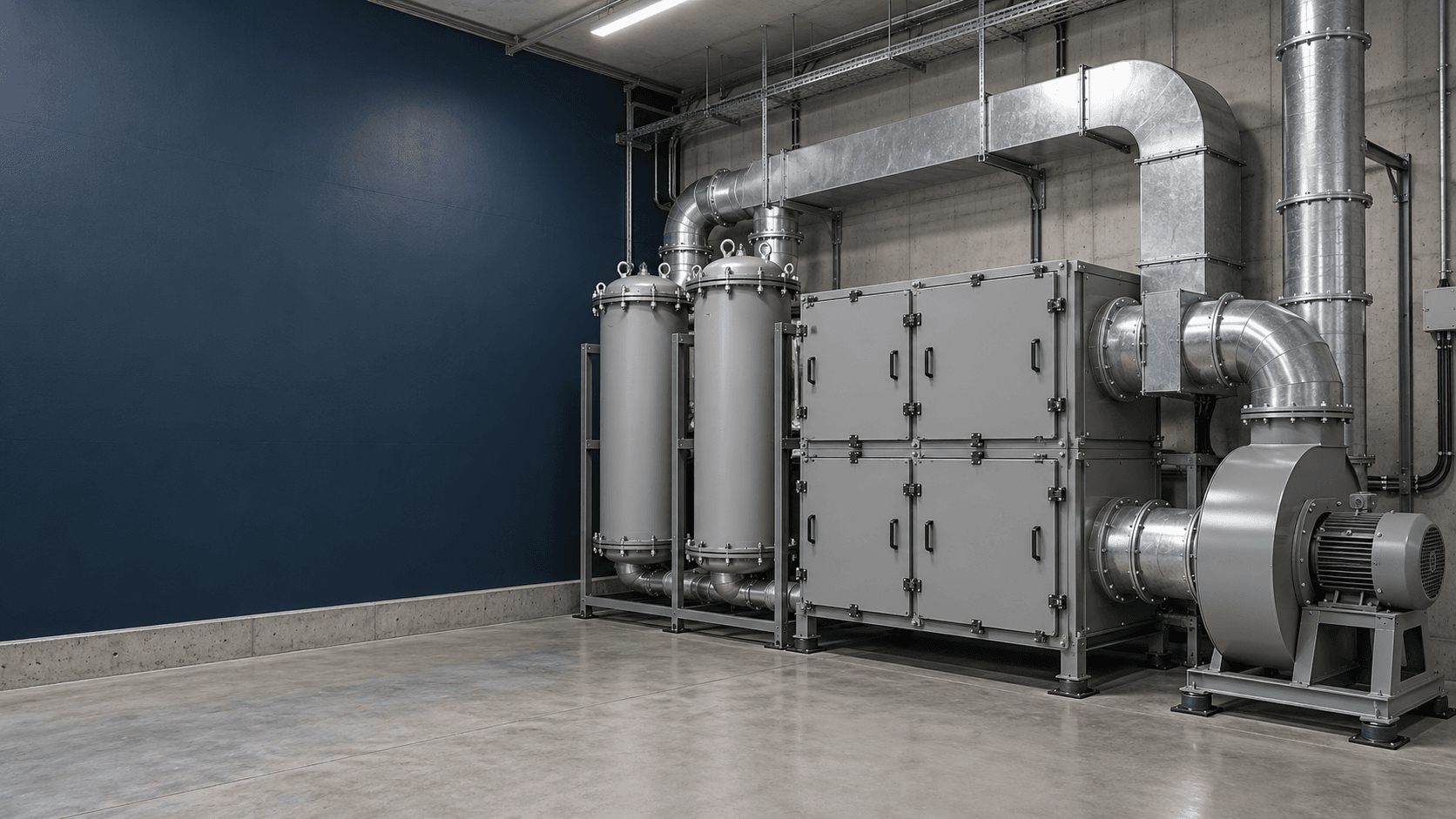
CBRN Protection addresses chemical, biological, radiological and nuclear hazards. NBC filtration and ventilation support air-treatment requirements within this wider strategy; filtration alone does not provide complete protection against every CBRN threat.
Specification begins with the identified contaminants, spaces requiring protection and operational needs. These requirements guide filtration selection, ventilation capacity and integration with building services.
NBC Filtration and Ventilation
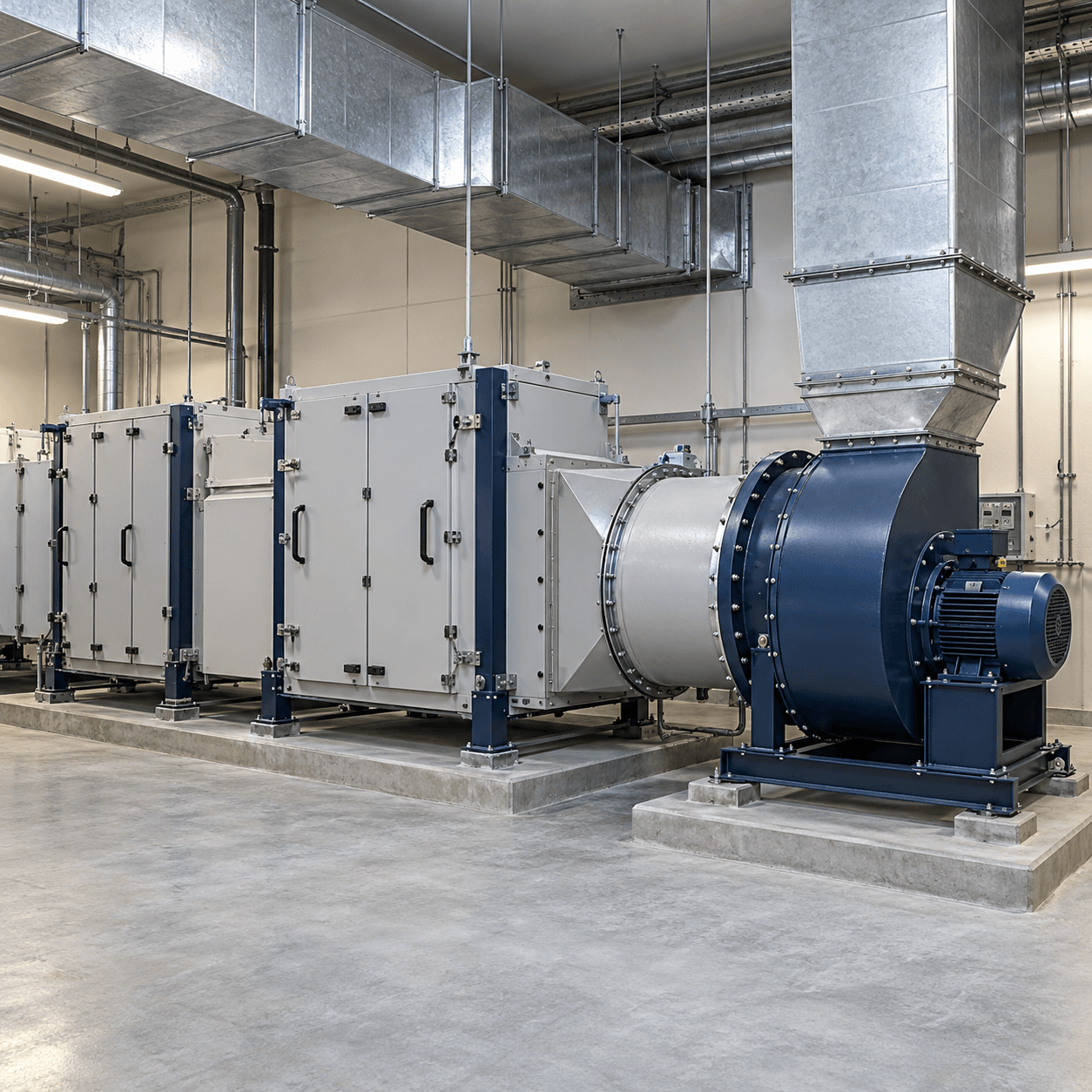
NBC filtration systems are designed to treat incoming air as part of a protective ventilation arrangement. Air supply, exhaust removal, heating and cooling must be considered together.
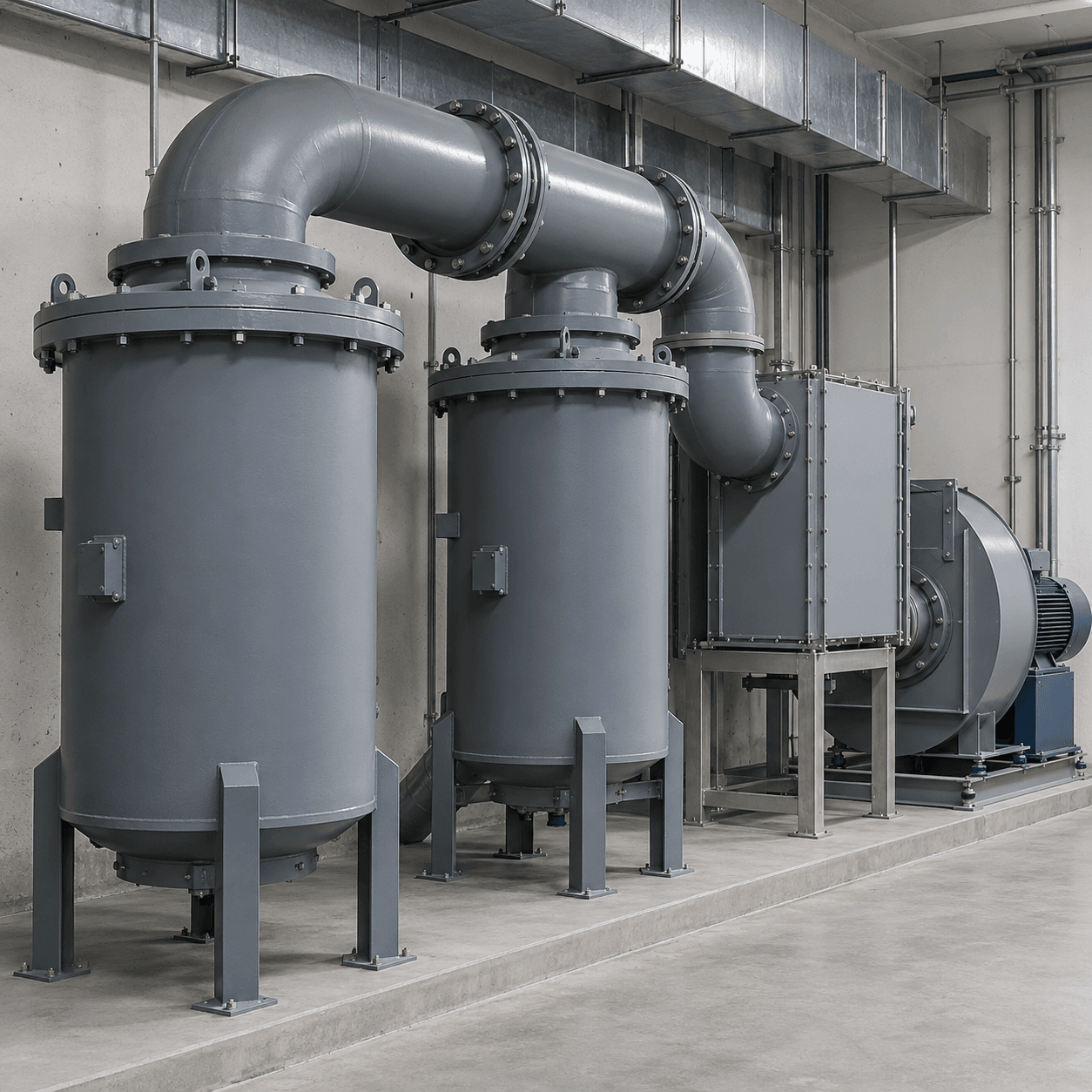
Conventional and regenerative NBC filtration are options for assessment during specification. The appropriate approach depends on the project requirements and supporting equipment documentation.
FiltrationComponents
Pre-Filters
Pre-filters form part of the filtration arrangement. Their function, selection and position should follow the selected system’s technical documentation and operating requirements.
Gas and Chemical Filters
Gas and chemical filters are selected against the substances identified in the project brief. Suitability requires product-specific evidence for the contaminants and operating conditions concerned.
Ventilation Units
Ventilation units provide air movement within the protective ventilation arrangement. Selection follows the calculated airflow and air-volume requirements, coordinated with the proposed filtration equipment.
System Designand Integration
Gas and Chemical Identification
The design brief should identify the gases and chemicals the system must address. This establishes the basis for filter selection and the performance evidence required. A defined contaminant requirement supports a precise specification. General system descriptions cannot replace evidence of suitability for the identified substances.
Airflow and Air-Volume Calculations
Airflow and air-volume calculations establish the ventilation requirements for the spaces under consideration. They guide equipment sizing and coordination with the facility’s intended use. Required capacity must be established for each project, reflecting its layout and operating requirements.
Integration with Air Conditioning
Protective ventilation systems require coordination with air-conditioning arrangements. Air supply, exhaust removal, heating and cooling should be assessed as connected requirements. For existing facilities, the assessment should establish compatibility between the current installation and the proposed filtration and ventilation equipment.
Sectors We Protect

Oil and Gas
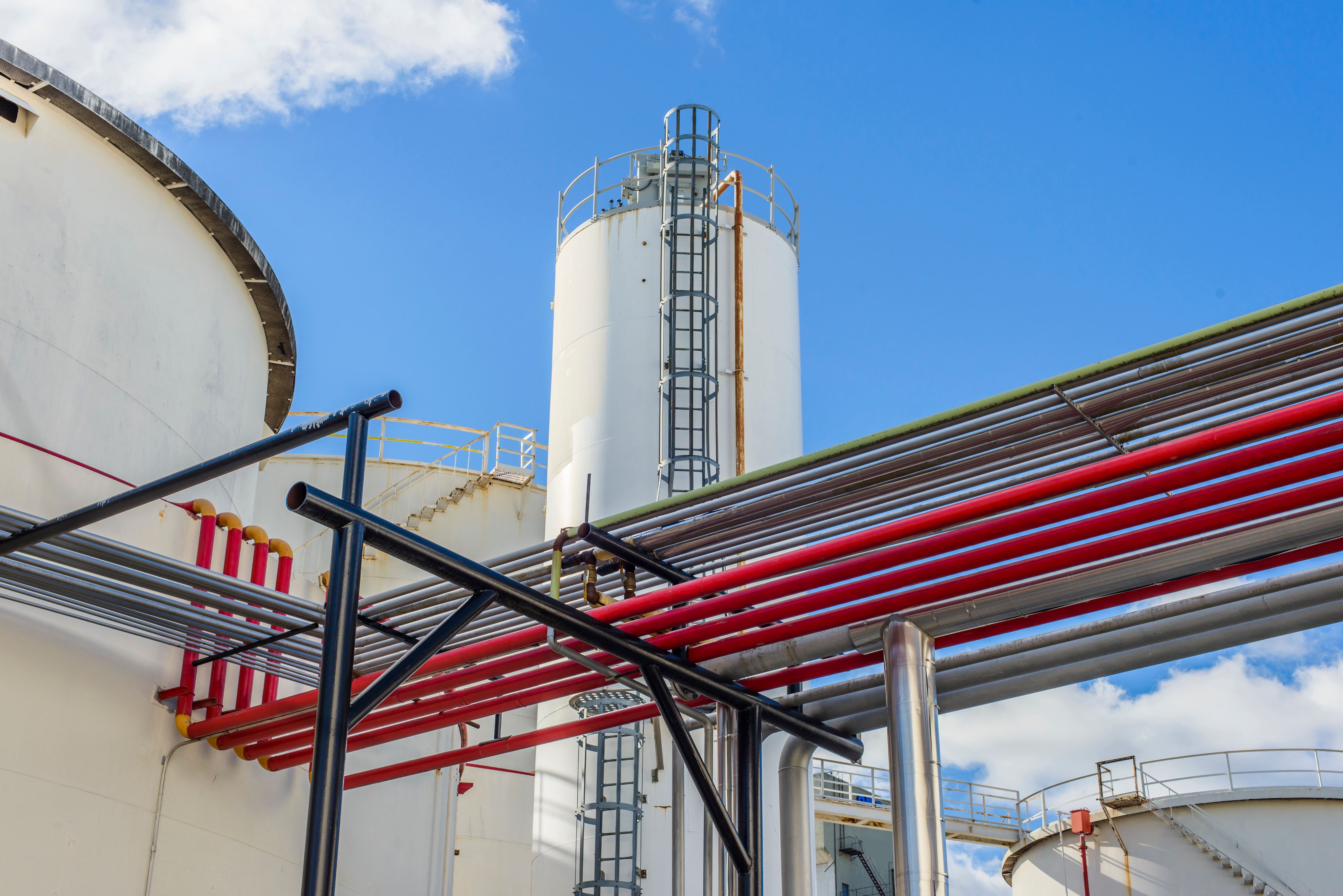
Commercial and Industrail

Airports

Government & Defence
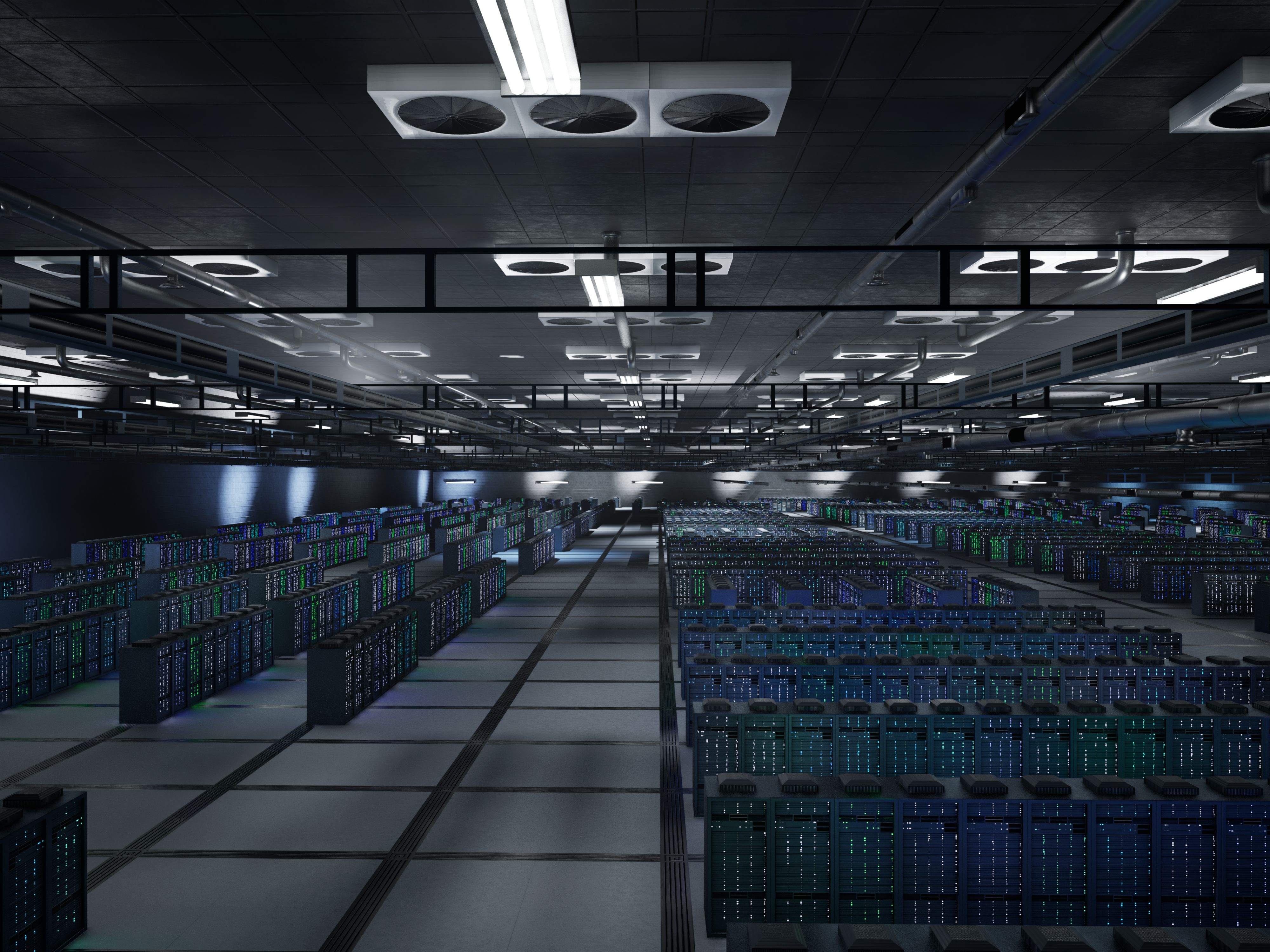
Data Centres

Ports and Logistics

Project Assessment Requirements
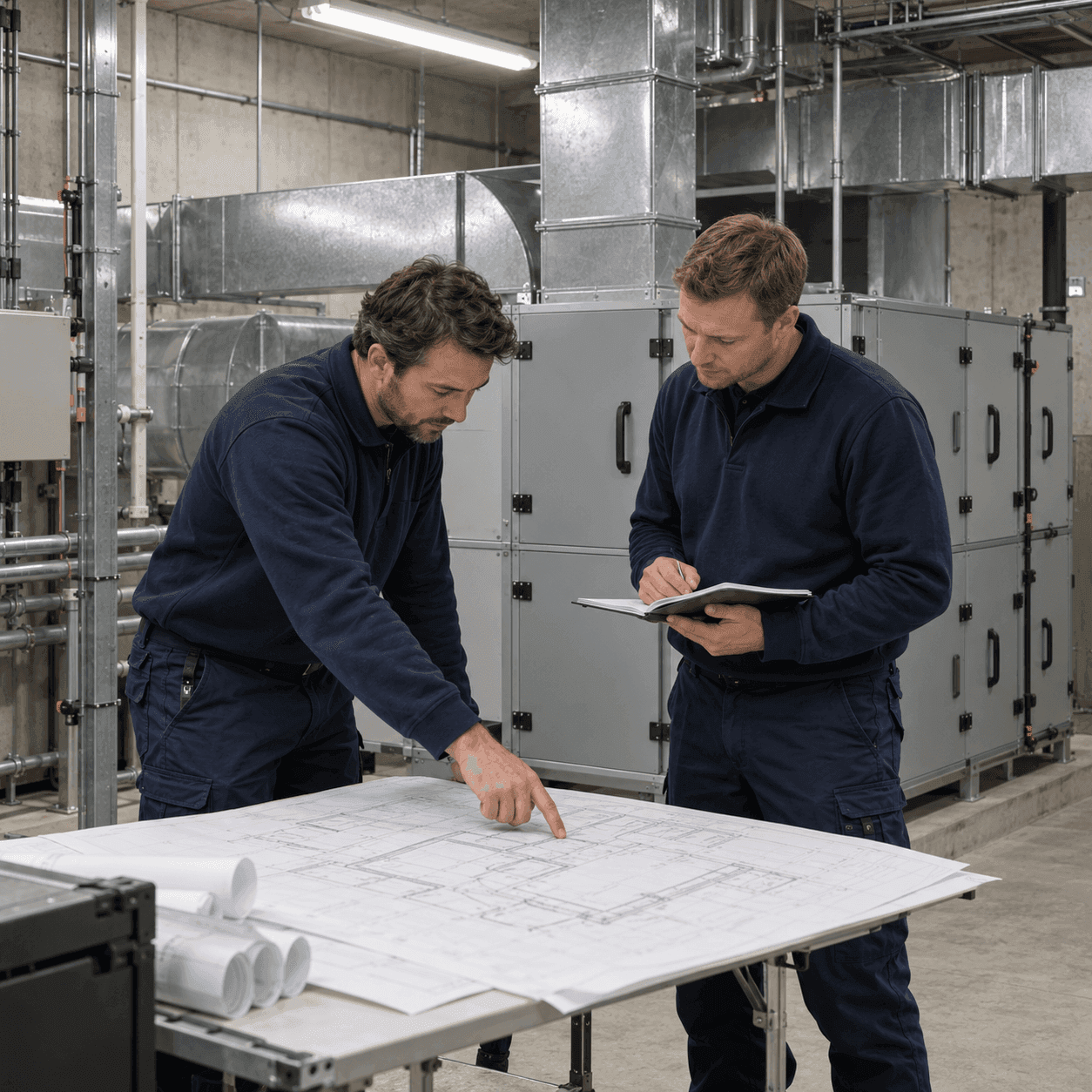
A clear project brief supports informed equipment selection and integration. Provide:
- Identified contaminants and protection objectives.
- Facility drawings and intended use.
- Required airflow and air volume, where available.
- Existing ventilation and air-conditioning details.
- Installation and integration constraints.
- Required performance evidence and acceptance criteria.
- Applicable performance criteria and testing requirements.
Frequently Asked Questions
CBRN protection is the wider strategy for addressing chemical, biological, radiological and nuclear hazards. NBC filtration addresses air treatment within that strategy.
Selection depends on the project’s protection objectives, operating requirements and available equipment evidence. The appropriate approach must be established during specification.
The identified substances and operating conditions guide selection. Technical documentation must demonstrate the proposed filter’s suitability for those requirements.
Integration requires assessment of the existing layout, airflow requirements and equipment compatibility. Any necessary changes should be identified before finalising the specification.
Provide facility drawings, intended use, identified contaminants and ventilation details. Include performance criteria and any installation constraints already established for the project.
Share your glazing drawings or photographs, glass dimensions, frame details and required protection criteria. Include any specified standards or blast conditions available for the project.