
Security Film for Glazed Openings
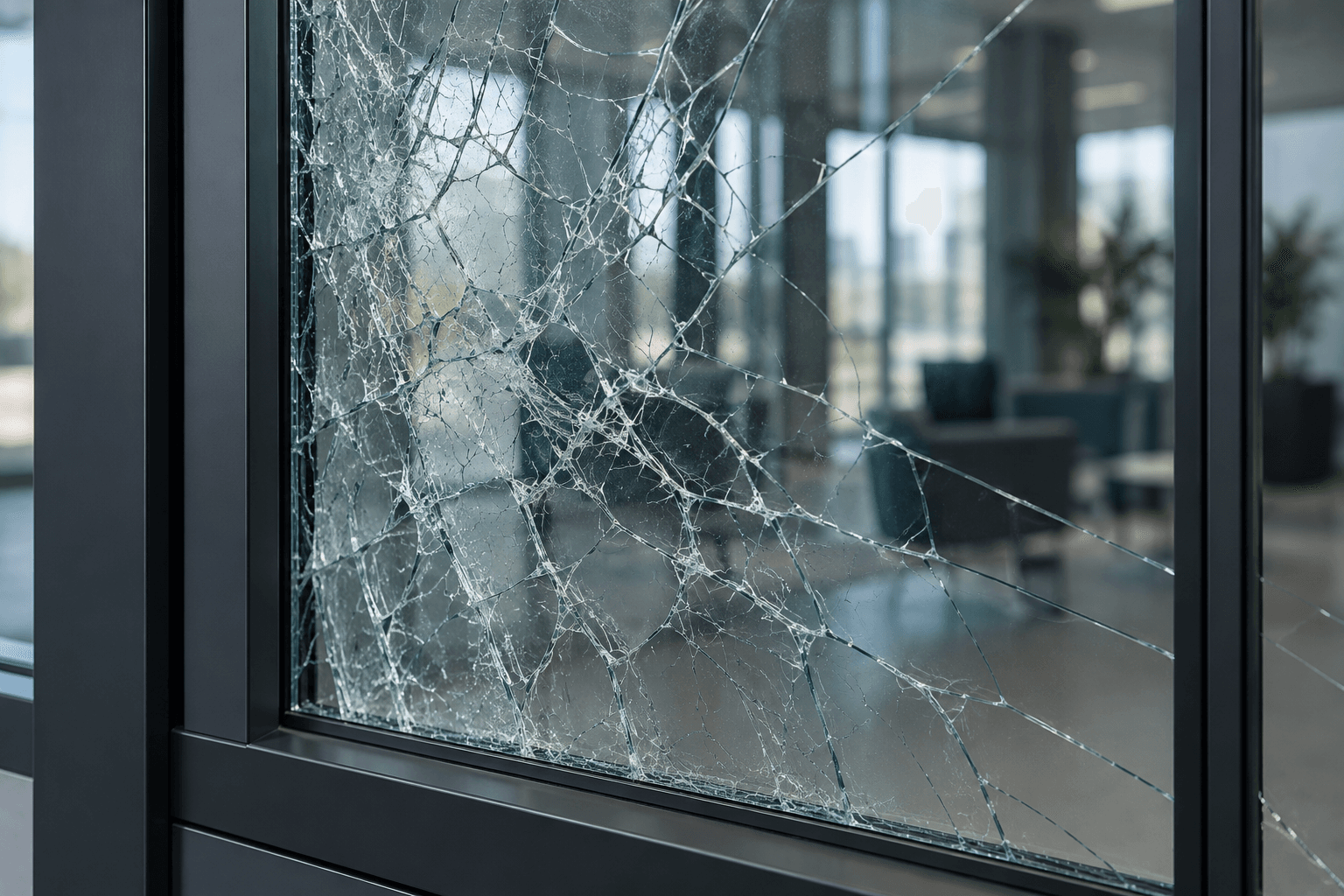
Blast & Security Film helps retain shattered glass, reducing the hazards caused by fragments after breakage. Suitable security film systems can also make damaged glazing more difficult to penetrate during attempted intrusion.
For existing buildings, film provides a potential retrofit approach to glass protection. We can assess the glazing, framing, attachment arrangement and protection required to help establish a suitable solution.
How Blast andSecurity Film Works
Glass Fragment Retention
Safety and security film bonds to the glazing through an adhesive layer. When glass breaks, the film helps keep the fragments together rather than allowing them to disperse freely. Film construction, adhesive characteristics and thickness vary by product. We consider the protective objective and applicable performance evidence when assessing the appropriate combination.
Supporting Intrusion Resistance
Suitable security film systems can help resist penetration through broken glazing during burglary or vandalism attempts. The required resistance must be established for the selected assembly. Intrusion resistance does not establish bullet resistance. Ballistic protection requires separate, product-specific evidence.
Glass Retention andAnchoring Systems
Connecting Filmed Glass to the Frame
Film can retain fragments while the broken pane still becomes displaced. An appropriate attachment system connects the filmed glass to the frame, helping address this additional hazard. The attachment method forms part of the protection specification. We consider it alongside the film and existing glazing from the outset.
Selecting the Attachment Arrangement
Mechanical restraints and structural sealant attachments provide different approaches to glass retention. Selection depends on frame suitability, glazing weight, installation conditions and required performance. The film and attachment system must be compatible. Installation details should follow the requirements established for the proposed assembly.
Applications of Blast and Security Film
Commercial Buildings and Offices
Existing commercial glazing can be assessed where blast-related breakage or impact presents a risk to occupants, equipment and property. Film selection should reflect the identified hazard and the building’s glazing configuration.
Government and Security-Sensitive Buildings
Film and glass-retention systems can be considered within a wider strategy for managing hazards at glazed openings. We assess the threat requirements to help determine the protection needed and the supporting evidence.
Retail Premises
Security film can be assessed for glazed storefronts exposed to burglary or vandalism attempts. Product and attachment selection should reflect the intrusion resistance required.
Schools and Public Facilities
Glass-retention measures can be considered where breakage could expose occupants to hazardous fragments. Suitability depends on the existing glazing and the specific safety or security objective.
Adaptable Configuration
We offer galvanised steel, stainless steel and composite net options, with customisable mesh sizes and anchoring arrangements for fixed and mobile applications. This flexibility allows us to consider different installation environments and protection requirements.
Sectors We Protect

Oil and Gas

Commercial and Industrail

Airports

Government & Defence

Data Centres

Ports and Logistics

Technical and Installation Considerations
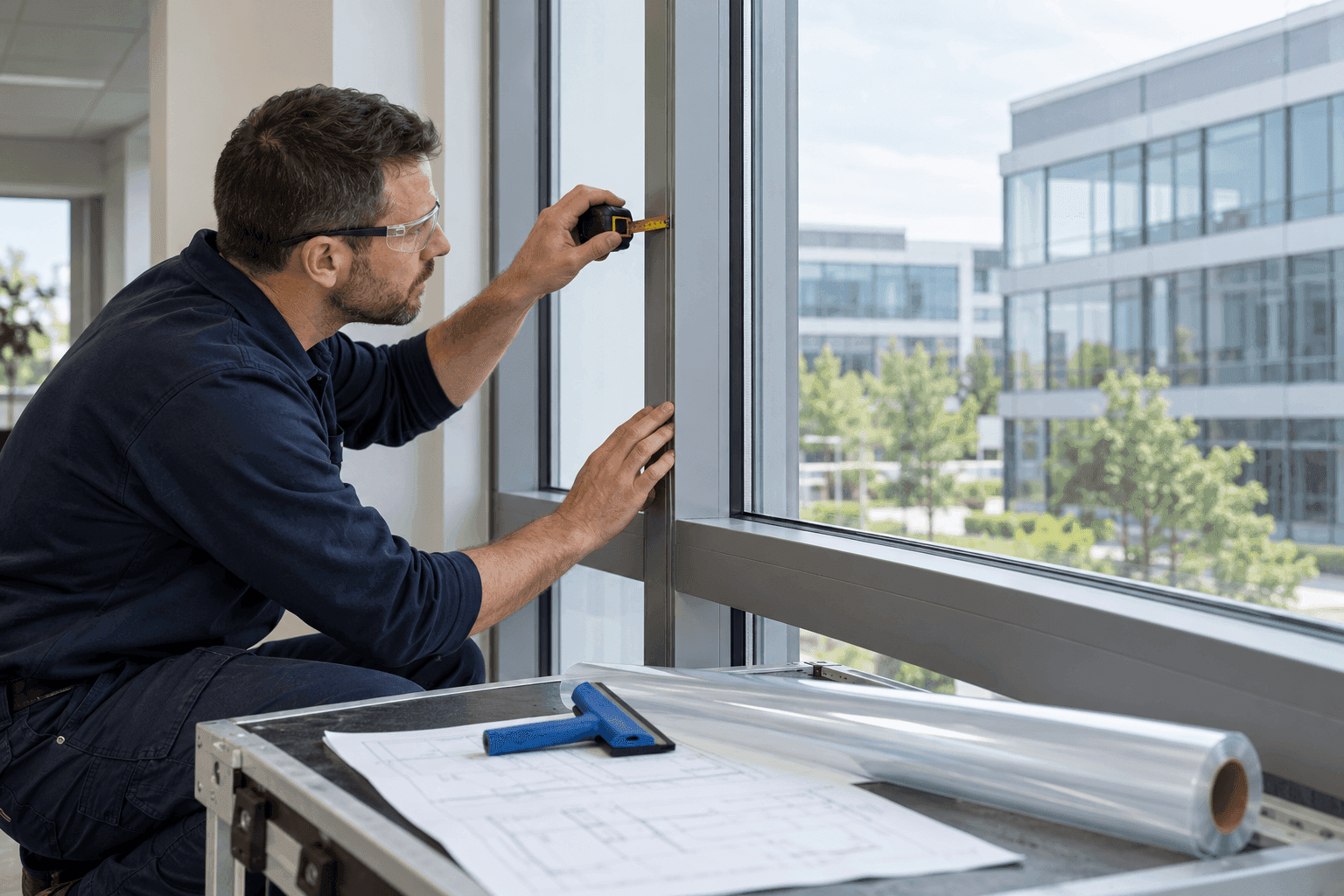
Effective specification begins with your existing opening and the protection required. Assessment should establish:
- Glass type, thickness, dimensions and condition.
- Frame construction and condition.
- Required blast, impact or intrusion performance.
- Film and attachment-system compatibility.
- Applicable test reports and classifications.
- Installation access and building constraints.
Frequently Asked Questions
Not necessarily. Its purpose is to help retain fragments after breakage and reduce associated hazards. It does not guarantee that glazing will remain intact.
No. Blast performance depends on the complete assembly, including glass, framing and attachment. Film application alone does not establish a window’s blast rating.
The requirement depends on the protective objective and selected system. Where retention of the broken pane within the opening is required, an appropriate attachment arrangement must be assessed.
Suitable existing glazing can be assessed for retrofit application. Glass compatibility, condition, framing and attachment requirements must be checked before specification.
No. Security, safety glazing and blast mitigation involve different requirements. The selected system needs evidence supporting each intended capability.
Share your glazing drawings or photographs, glass dimensions, frame details and required protection criteria. Include any specified standards or blast conditions available for the project.